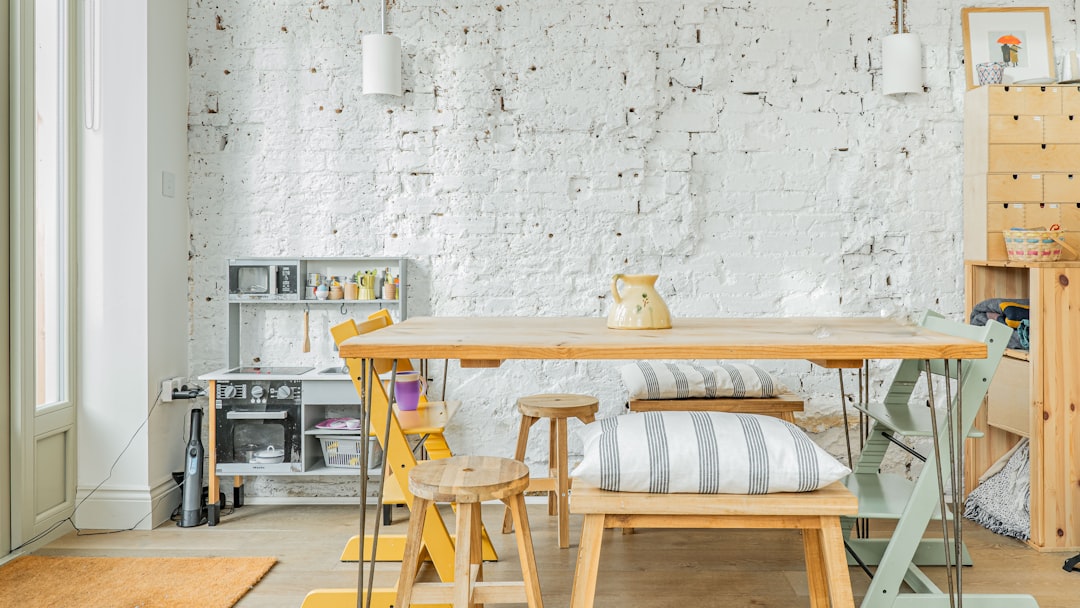
The dining table in a 2026 BTO flat isn’t just furniture—it’s a spatial negotiation. Most four-seaters demand at least 1.8m clearance, which eats into walkways when shoe cabinets and fridge doors enter the equation. Condo layouts often force drop-leaf solutions, but those untreated pine mechanisms warp within months in Singapore’s humidity; kiln-dried oak or acacia holds up better. Measure twice, then measure again after accounting for chair pull-out space. A typical 90cm-wide HDB dining zone leaves just 45cm per diner—fine for weekday meals, but elbows collide during weekend steamboat. Condo dwellers face the opposite problem: open-plan layouts tempt oversized tables that render the living area claustrophobic. Storage becomes the silent trade-off. BTO buyers often sacrifice a sideboard for circulation space, leaving tableware in distant kitchen cabinets. Condo units with utility yards fare better, but built-in banquettes—while space-efficient—lock you into a single configuration. The real test comes during festive seasons. That sleek 1.4m round table works for daily dinners, but won’t fit the extended family. Some opt for
extendable designswith hidden leaves, though the joint mechanisms rattle after a year of heavy use. Others embrace the Scandinavian approach: keep the table small, then spill over onto foldable side tables when needed. Material choices matter more than most realise. Light-toned oak visually expands cramped spaces, while dark walnut makes condo dining nooks feel intentional rather than leftover. Glossy surfaces reflect light but show every fingerprint; matte finishes hide stains but absorb soy sauce spills like blotting paper.
Laminated beech has quietly become the go-to for Scandinavian dining tables in Singapore’s humid climate. It’s not just the aesthetics — the pale, even grain works well in light-filled HDB flats — but the way it handles 80% relative humidity without warping or discolouration. Solid teak, while durable, tends to darken unevenly in many east-coast homes, losing that crisp Nordic look within a year or two.
MDF cores, often marketed as budget-friendly, are a false economy in tropical conditions. After two rainy seasons, the edges start swelling — a common complaint in Bedok and Tampines flats where humidity creeps in through open windows. Even sealed finishes struggle to hold up, leaving buyers with uneven tabletops that catch crumbs and spills.
For those near the coast, treated ash offers a reliable alternative. Its light tone stays consistent, even in salt-heavy air, and the treatment process adds a layer of protection against moisture. It’s a subtle upgrade — not as flashy as teak, but it lasts longer in Singapore’s specific conditions.
Beech remains the standout, though. It’s not just the durability; the way it pairs with sage greens and muted blues — staples of Scandinavian palettes — makes it a natural fit for modern flats. In a city where humidity is a constant, it’s the small choices — like skipping MDF — that keep furniture looking fresh past the two-year mark.
Cat claws leave marks on matte finishes faster than you'd think—especially on softer woods like pine or beech. Textured oak, with its natural grain, hides scratches better; ceramic coatings add another layer of defence. In showrooms, dragging keys across samples gives a rough idea of durability, though it’s no match for a determined tabby. Opt for finishes that mimic natural wear patterns—they’ll age gracefully even with the occasional claw mark. Avoid high-gloss surfaces; they’re scratch magnets.
Pet-friendly finishes need to handle more than just scratches—spills, paw prints, and fur are daily realities. Ceramic-coated tops repel liquids, making cleanup as simple as wiping with a damp cloth. Textured finishes trap less dust and fur compared to smooth surfaces, reducing maintenance effort. Avoid porous materials like untreated wood; they stain easily and absorb odours. For Singapore’s humid climate, finishes that resist mould and mildew are a must.
Not all woods are created equal when it comes to pets. Oak and ash hold up better than softer options like pine or birch. Engineered wood with laminate finishes offers durability at a lower cost, though it lacks the warmth of solid wood. Ceramic and stone composites are virtually indestructible but can feel cold underfoot. Balance aesthetics with practicality—Scandinavian design favours light woods, but durability shouldn’t be sacrificed.
Matte finishes may look sleek, but they’re more vulnerable to scratches and stains. Satin finishes strike a balance—they’re durable yet maintain a soft, natural look. Textured finishes, like wire-brushed oak, add depth and hide imperfections better than smooth options. Avoid high-gloss finishes; they show every mark and require constant polishing. The right finish can make a table look better with age, even in a pet-filled home.
Before committing, test samples in-store—drag keys, spill water, and press hard with a fingernail. Textured oak and ceramic-coated tops typically outperform smooth finishes in scratch resistance. Look for finishes that mimic natural wear patterns; they’ll blend scratches into the design over time. Avoid materials that chip or peel easily—they’ll look worse with every scratch. A table that survives the showroom test will likely fare well at home.
In Singapore’s humid climate, a dining table’s warping risk isn’t just about aesthetics — it’s a structural gamble. Tables priced between SG$800 and $1,200 often strike the right balance, especially when they’re reinforced with steel crossbars for spans under 1.6 metres. Anything cheaper, and you’ll likely notice the wood bowing within a year, particularly in open-concept HDB flats where humidity fluctuates freely.
For buyers on a budget, the trick is to focus on structural integrity rather than brand names. A lesser-known maker with solid craftsmanship often outperforms a flashy label cutting corners. And while IKEA’s affordable options might seem appealing, their thinner veneers and lighter frames don’t always hold up in the long run — especially if you’re hosting weekly family dinners or using the table as a makeshift workspace.
Veneer thickness is another telltale sign of quality. Thin veneers, especially those under 0.5mm, tend to delaminate faster than you’d expect, leaving unsightly patches on what was once a pristine surface. Opt for tables with certificates verifying veneer thickness of at least 1.2mm; it’s a small detail that pays off in durability, especially in homes with young children or frequent gatherings.
It’s tempting to prioritise looks over construction — after all, Scandinavian design thrives on clean lines and light tones. But a table that leans too heavily on aesthetics without proper engineering won’t survive Singapore’s climate. Rubberwood and oak are popular choices, but even these materials need robust support to avoid warping or cracking.
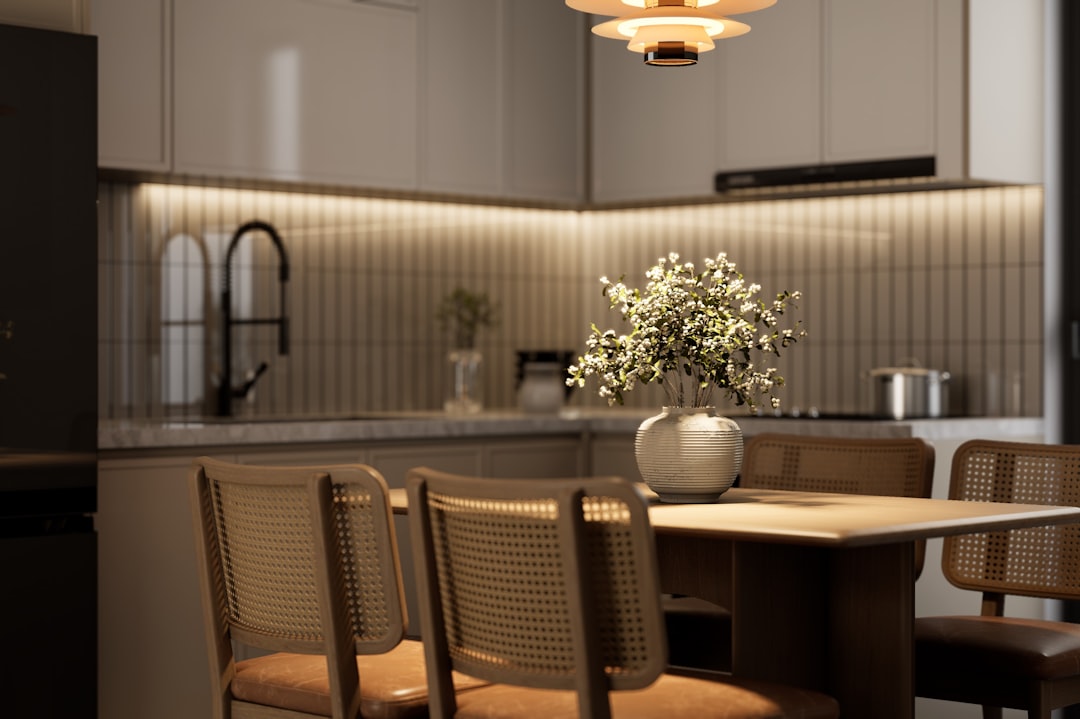
At Megafurniture’s Joo Seng showroom, humidity-test units are a quiet standout — especially for buyers wary of Singapore’s tropical climate. Edge banding separation, a common issue with cheaper plywood, is put on full display; inspect these units closely to see how materials hold up in high moisture. It’s a practical touch for homeowners who’ve dealt with warped edges on their last coffee table.
Their 2026 Nordic line leans heavily on 18mm Baltic birch plywood, a material that’s hard to find under SG$1,000. Baltic birch, known for its durability and clean grain, pairs well with Scandinavian design’s minimalist ethos — think light wood tones and clean lines. For buyers prioritising longevity, it’s a rare find in this price range.
The Joo Seng location also offers a chance to see how pieces fit into real-world spaces. Unlike showrooms that feel like sterile galleries, this one mimics the proportions of a typical HDB flat — think 12 sqm bedrooms and compact living areas. It’s a subtle but effective way to gauge whether that dining table will overwhelm your space.
One detail worth noting: the Nordic line’s finishes lean toward muted blues and soft greys, a nod to the hygge aesthetic. These colours work well in Singapore’s light-filled condos, where harsh sunlight can wash out bolder tones. It’s a thoughtful choice for homeowners aiming for that warm, lived-in feel.
For those furnishing on a budget, the showroom’s layout makes it easy to compare pieces side by side. You’ll find everything from dining tables to storage solutions, all designed with Scandinavian minimalism in mind. It’s a practical stop for anyone piecing together a cohesive look without breaking the bank.
Assessing the stability of extending Scandinavian dining tables
The lift doors in older HDB blocks shudder when they hit 1.1m—that’s when you realise the dining table legs won’t clear the threshold. Delivery crews know this dance: they’ll tilt the package diagonally, exhale sharply when the elevator sensors beep, then shrug when the system resets. Tuesday mornings work best—condo loading bays jam up by noon with renovation debris and mattress deliveries. Some disassembly required isn’t just IKEA’s motto—it’s a survival tactic for pre-2000 estates. Contractors keep hex keys in their vans for tables with screw-in legs, but solid oak pedestal bases mean hauling up stairwells. That’s when you learn which neighbours still owe favours from last year’s CNY pineapple tart exchange. Measure twice, curse once. FortyTwo’s modular designs breeze through lifts, while vintage teak reproductions from Joo Seng warehouses become stairwell spectacles. One Tampines couple spent their moving budget on professional dismantling after their extendable table wedged in a Eunos lift for 45 minutes—the strata council still brings it up at AGMs. Mid-century tapered legs fit. Square trestles don’t. And if the delivery guy starts sweating before even pressing the lift button, that’s your cue to check the
assembly guidelinesagain. Most crews charge extra for returns after failed attempts—better to bribe them with kopi beforehand.
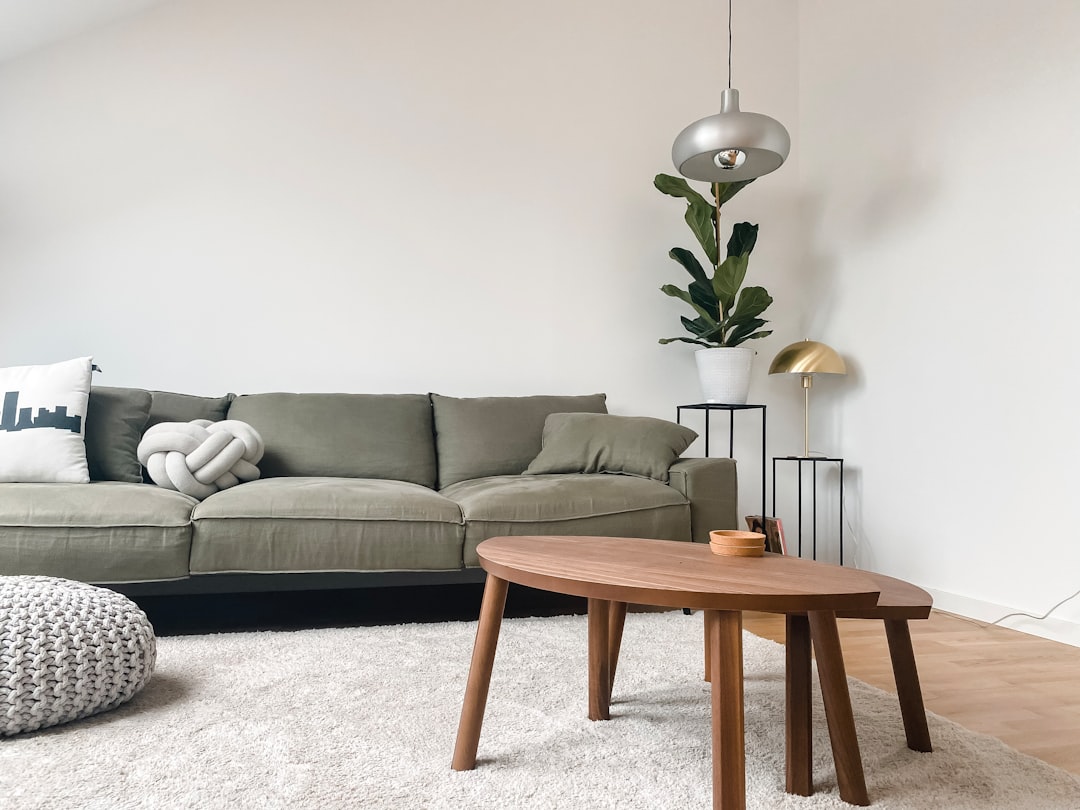
East-facing windows in Singapore get 3–5 hours of direct UV before noon — enough to amber untreated white oak within 18 months. NEA’s historical UV index peaks at 11+ from March to October; apply water-based polyurethane yearly or embrace the honeyed patina.
A 1.4m round table fits 3.6m × 2.9m dining areas if you budget 80cm clearance per chair. Most BTO layouts allow this with bench seating against walls — though toddlers will treat the table legs like a slalom course.
Tapered legs cause fewer shin bruises than square profiles. Look for 45-degree chamfered edges or go full mushroom base — the kind FortyTwo sells with rounded undercarriages. Storage drawers underneath? Only if you enjoy fishing out Lego bricks weekly.
Megafurniture’s Joo Seng showroom has a test area with mock dining sets in actual BTO dimensions. Their solid rubberwood options yellow slower than oak but develop hairline cracks near aircon vents — bring a torch to check the grain alignment.
Bouclé upholstered chairs stain with curry spills but hide rice grains better than linen. One local hack: Scotchgard them twice before use, then wipe down with microfiber after every meal. Works until the kids discover permanent markers.
The chandelier clearance rule—55cm minimum above table—isn’t just for aesthetics. It’s the difference between a warm glow and a forehead bump during enthusiastic toasts. Trace place settings with newspaper cutouts first; that sleek 160cm oak table might leave guests elbowing walls once plates are laid.
In narrow HDB layouts, chair pull-out space is non-negotiable. Budget 65cm per seat unless you enjoy watching diners perform the sideways shuffle. For corner banquettes, measure twice—some Scandinavian designs with splayed legs eat into that precious 90cm walkway between table and console.
Overhead lighting isn’t the only clearance hazard. That sculptural pendant light from FortyTwo might look stunning in the showroom, but check its diameter against your table width. A 40cm-wide fixture over a 75cm table creates a lopsided pool of light—fine for moody cafés, less so for spotting fish bones in your _ikan bakar_.
Test-drive the table height with your existing chairs. Scandinavian designs often hover at 72–74cm, while older dining sets run shorter. Nothing ruins hygge vibes faster than realizing your thighs won’t clear the apron. For mixed seating, fold a towel under shorter chairs as a quick fix—just don’t let your mother-in-law catch you.
The real test? Push all chairs in and walk the perimeter. That’s when you’ll notice the table legs snagging on your _kebaya_ or the service aisle vanishing into your fridge door. Megafurniture’s collection includes slim-profile options for tight spaces—just mind the 15cm toe-kick zone under extendable leaves.
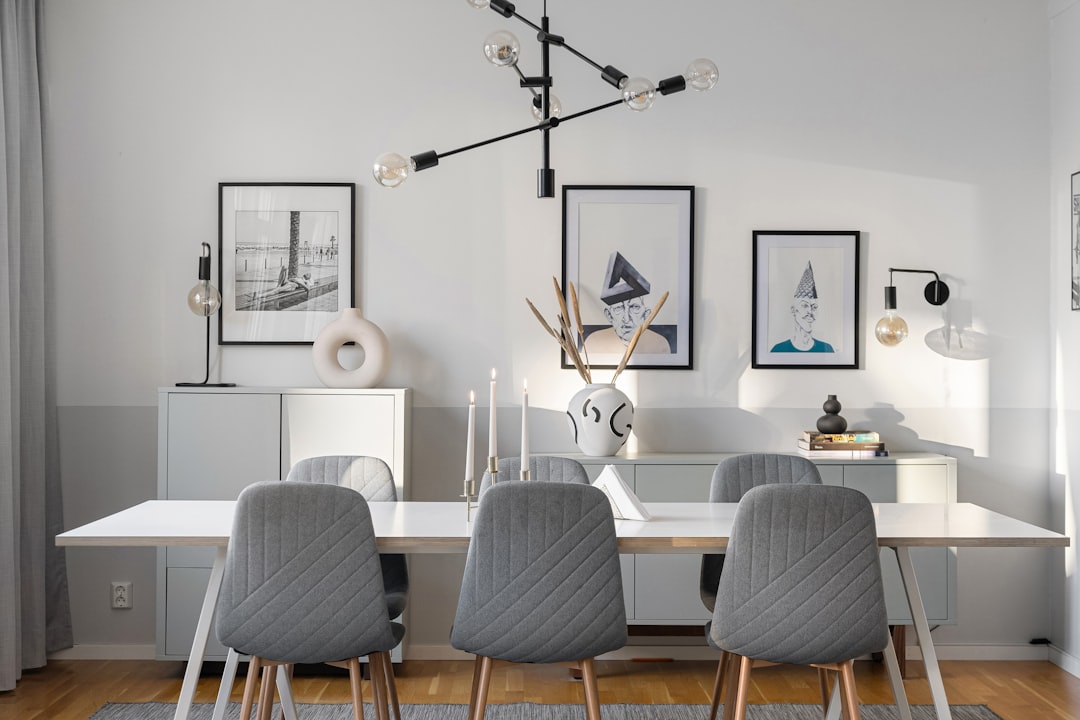
Scandinavian dining tables often feature clean lines and simple forms, emphasizing functionality without unnecessary decoration. Opt for tables with sleek, tapered legs and smooth surfaces for a timeless look. Light wood tones like birch or ash are ideal for maintaining an airy, budget-friendly aesthetic.
Smaller tables with extendable leaves or foldable sides are perfect for maximizing space in compact dining areas. Look for designs that can double as work surfaces or storage units, offering versatility. These features ensure practicality without compromising on style.
Tables made from lightweight materials like pine or engineered wood are easier to move and often more affordable. These materials still provide durability and a natural Scandinavian charm. Pair them with neutral-toned chairs to complete the cohesive look.